
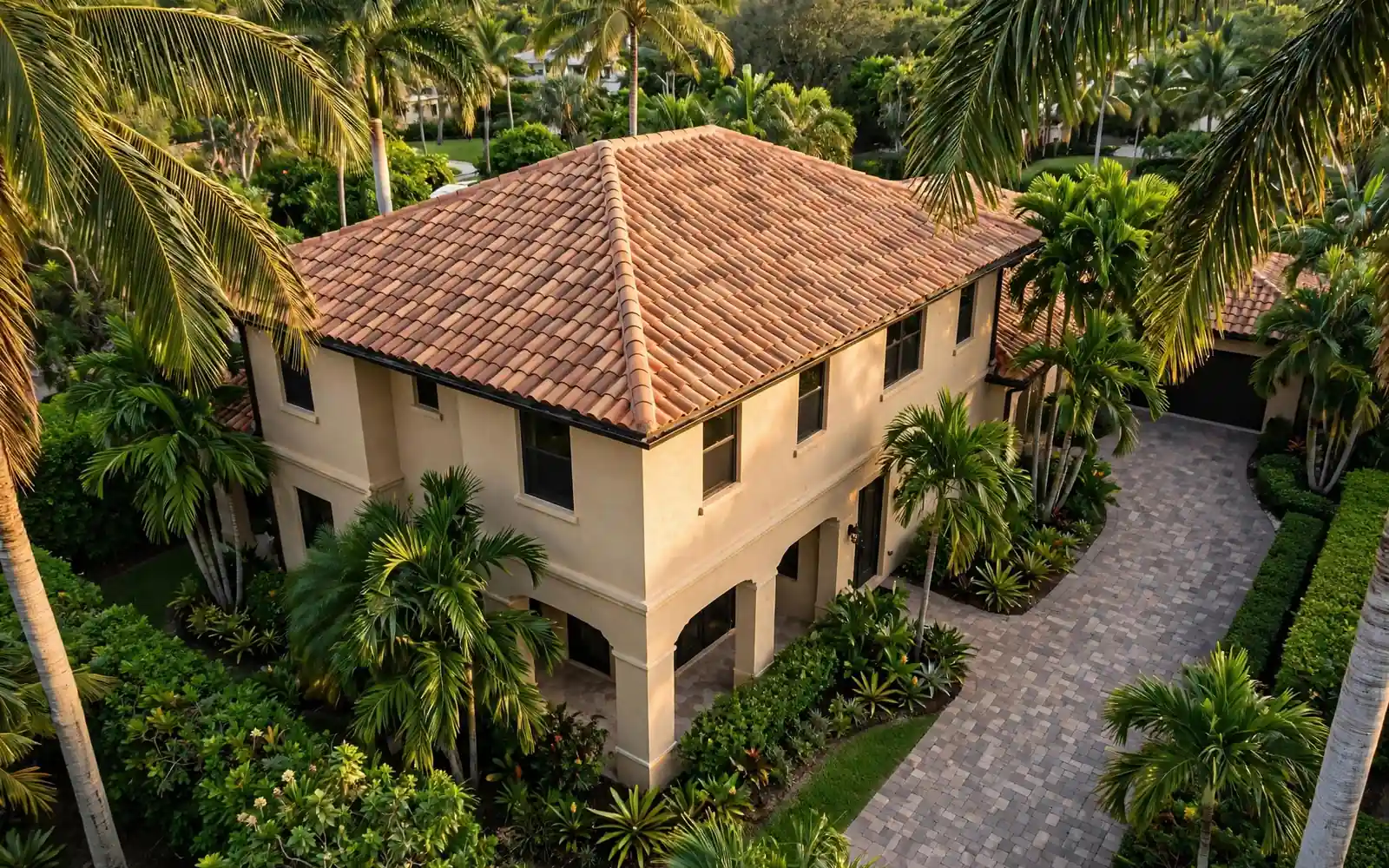
- The 15-Year Line, explained plainly
- FS 627.7011 inspection right
- Written scope before work begins
Roofers in Palm Beach County Who Start With the Letter in Your Hand
The 15-Year Line
- Year 1Roof age counts from the last full replacement of the whole surface.
- Year 15Year 15: Florida Statute 627.7011 gives you an inspection right.
- 5+ yearsUseful life an inspection can confirm, which blocks an age-only refusal.
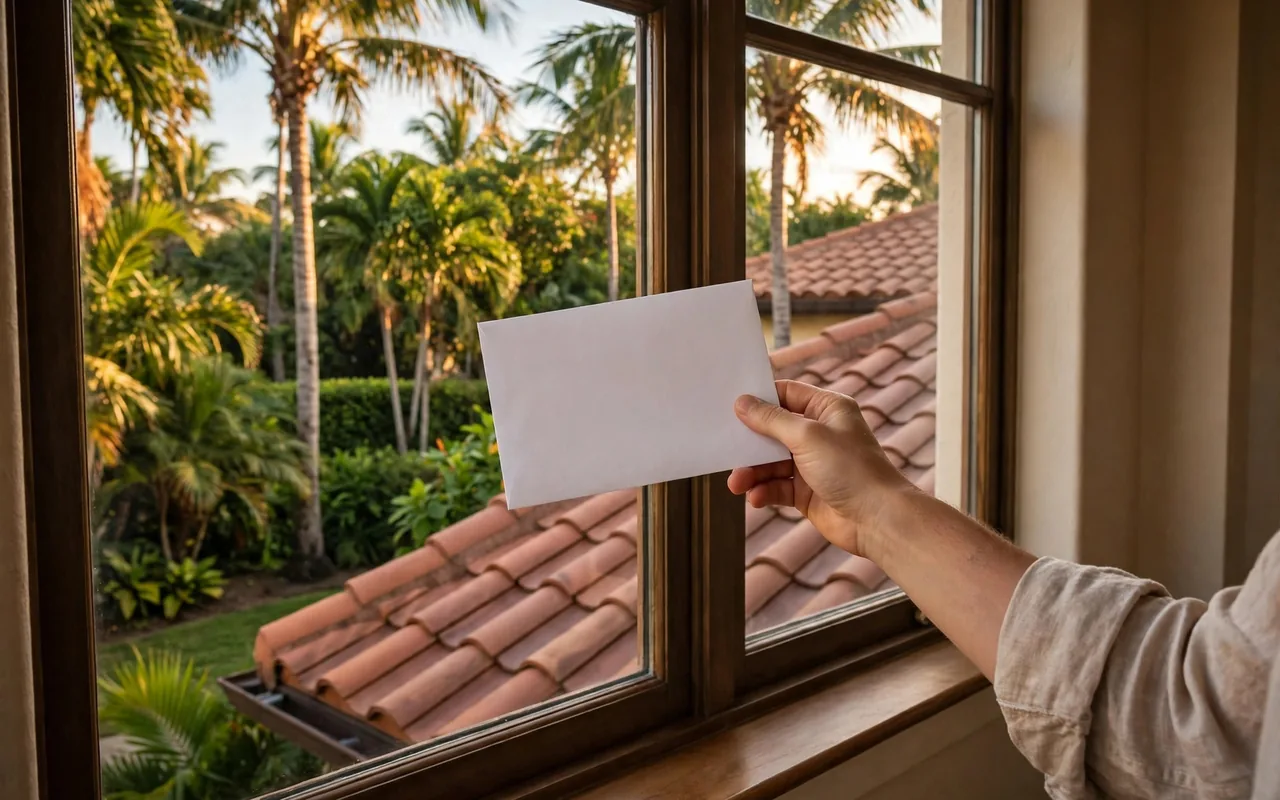
Your roof was fine yesterday. Then the mail came. Somewhere between the water bill and a grocery flyer sits a letter from your insurance company saying your roof is too old, and your policy hangs on what you do next. If that letter is on your counter right now, you are in the right place. Palm Beach Roofing Help connects Palm Beach County homeowners with local roofers who handle the insurance age problem every week, along with the leaks, lifted shingles, and tired tile that come with living here.
Which of these sounds like your roof?
I got a letter about my roof from my insurance company. This is the call we hear most. Florida law has a specific rule for this moment, and it gives you more room than the letter suggests. Start with the section below, then call.
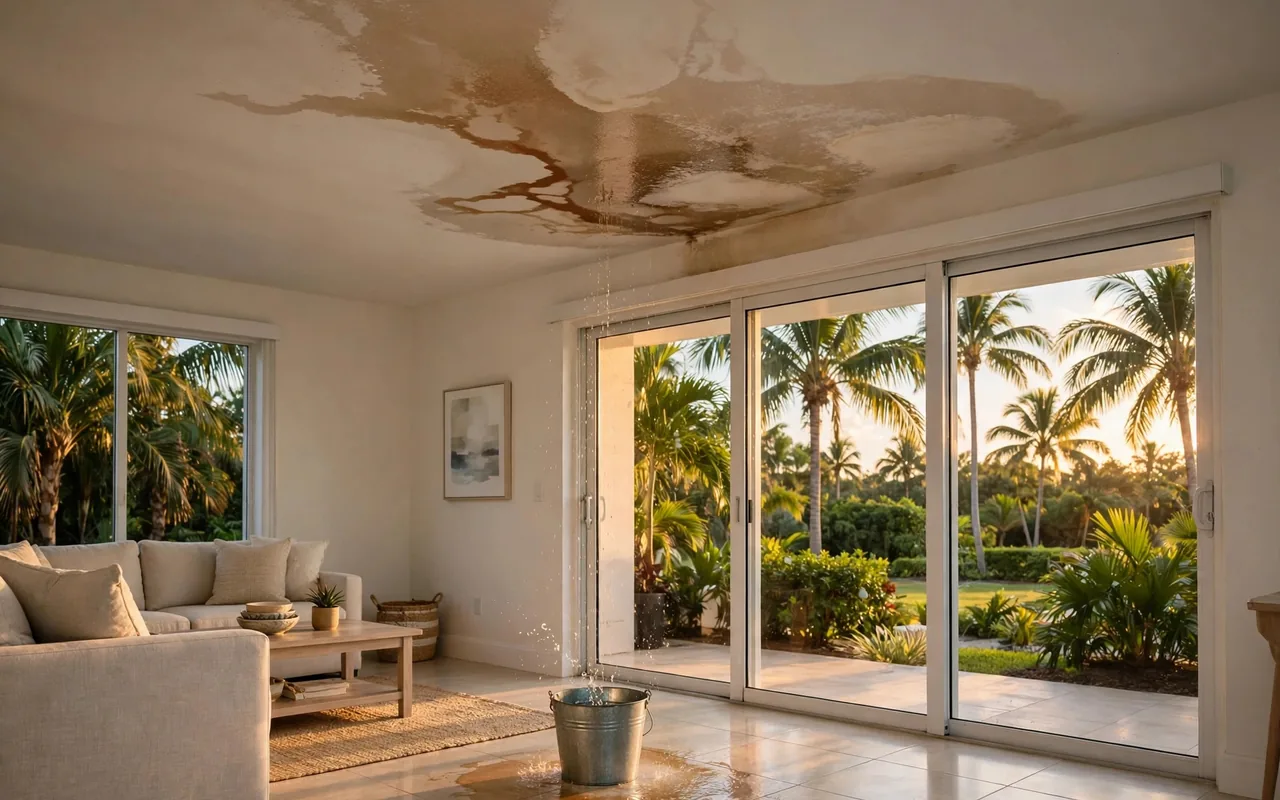
My roof leaks when it rains. A stain that grows after every afternoon storm means water is already past the surface. Repair may still be the answer, and the sooner a roofer sees it, the smaller that answer tends to be.
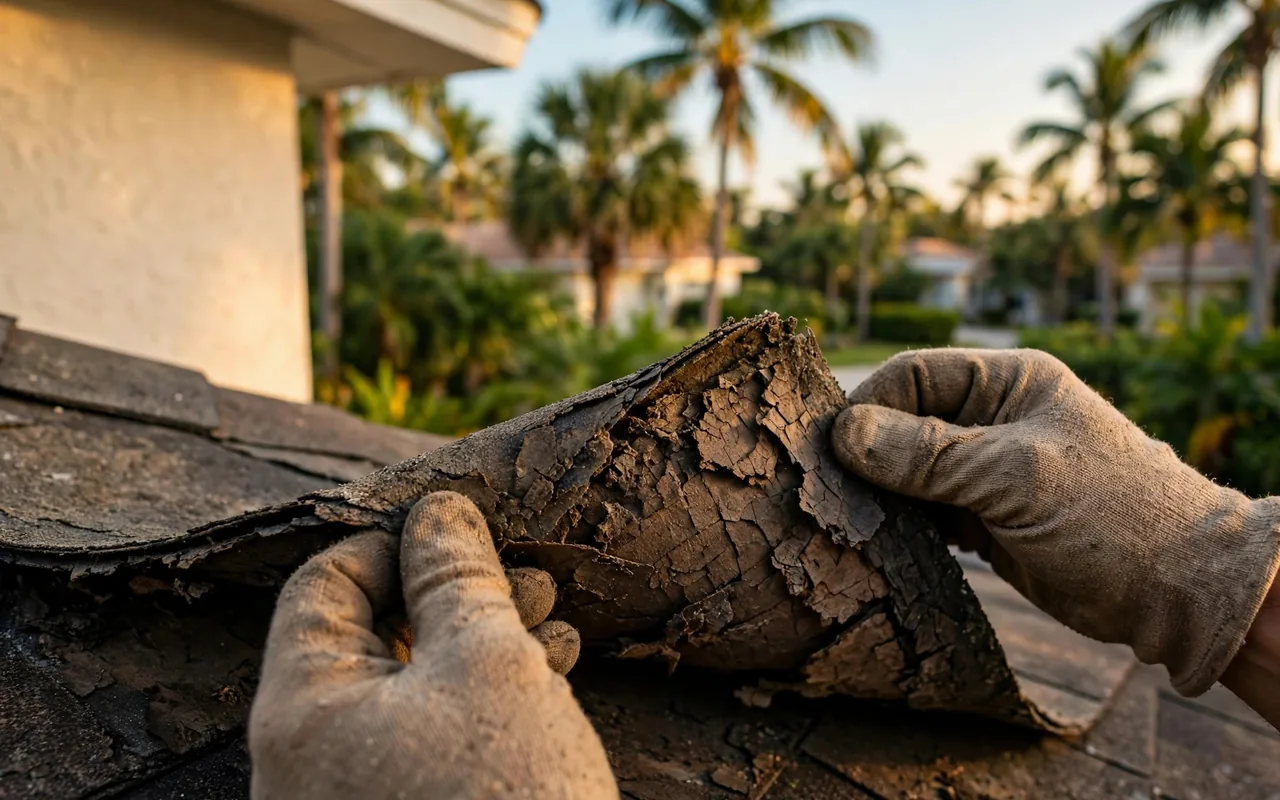
My roof is past fifteen years and I am worried. Age alone starts a process in Florida. It does not end one. An inspection can document years of life your roof still has.
A storm lifted or cracked something up there. Hurricane season runs June 1 to November 30. Damage left open invites the next rain in, and photos taken early help every conversation that follows.
I honestly do not know what my roof needs. That is a fine place to start. A roofer can look at the whole roof and tell you whether you are facing a repair, an inspection, or a replacement.
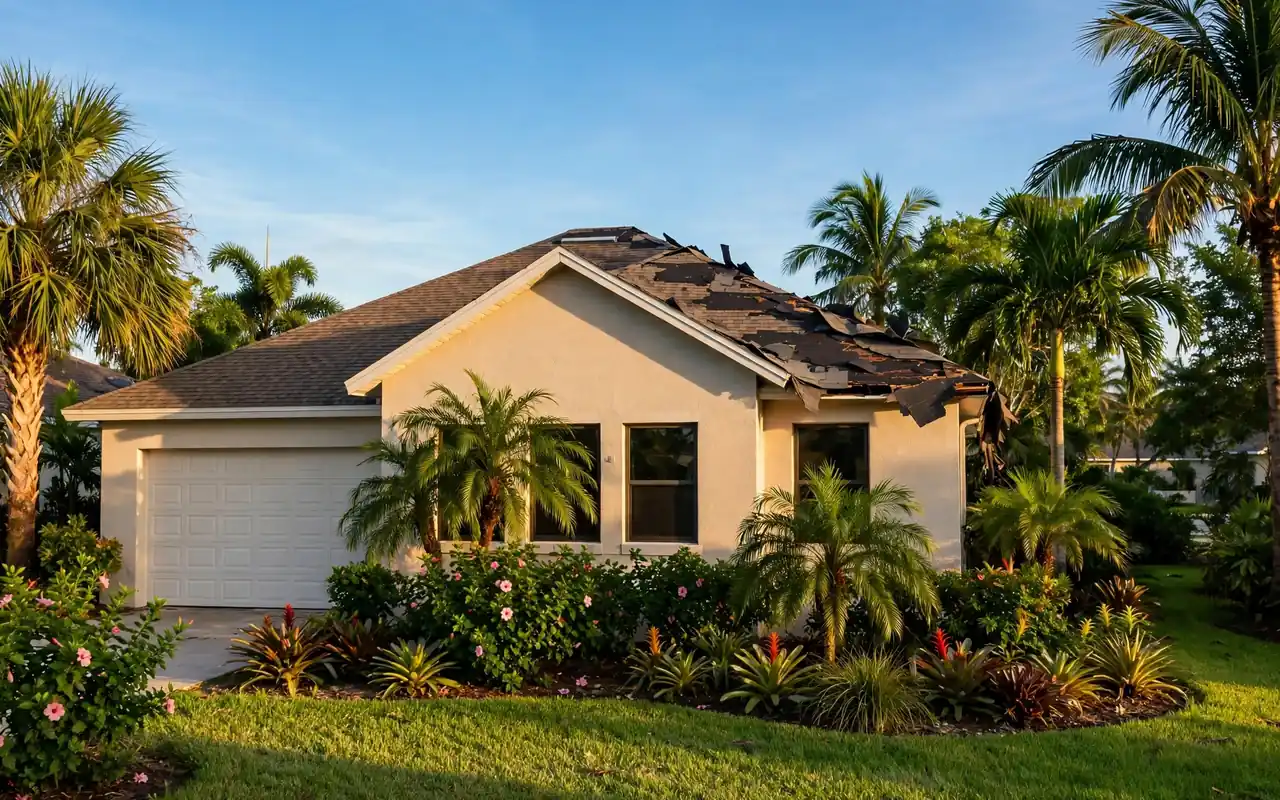
The 15-year line, in plain words
Florida Statute 627.7011 draws a line at fifteen years, and Palm Beach County homeowners cross it every week. Here is the short version. For a roof under fifteen years old, an insurer may not refuse to issue or renew your policy solely because of the age of the roof. For a roof fifteen years or older, the insurer must let you have a roof inspection performed by an authorized inspector at your expense before requiring a replacement. When that inspection shows your roof has five years or more of useful life remaining, the insurer may not refuse you solely because of roof age.
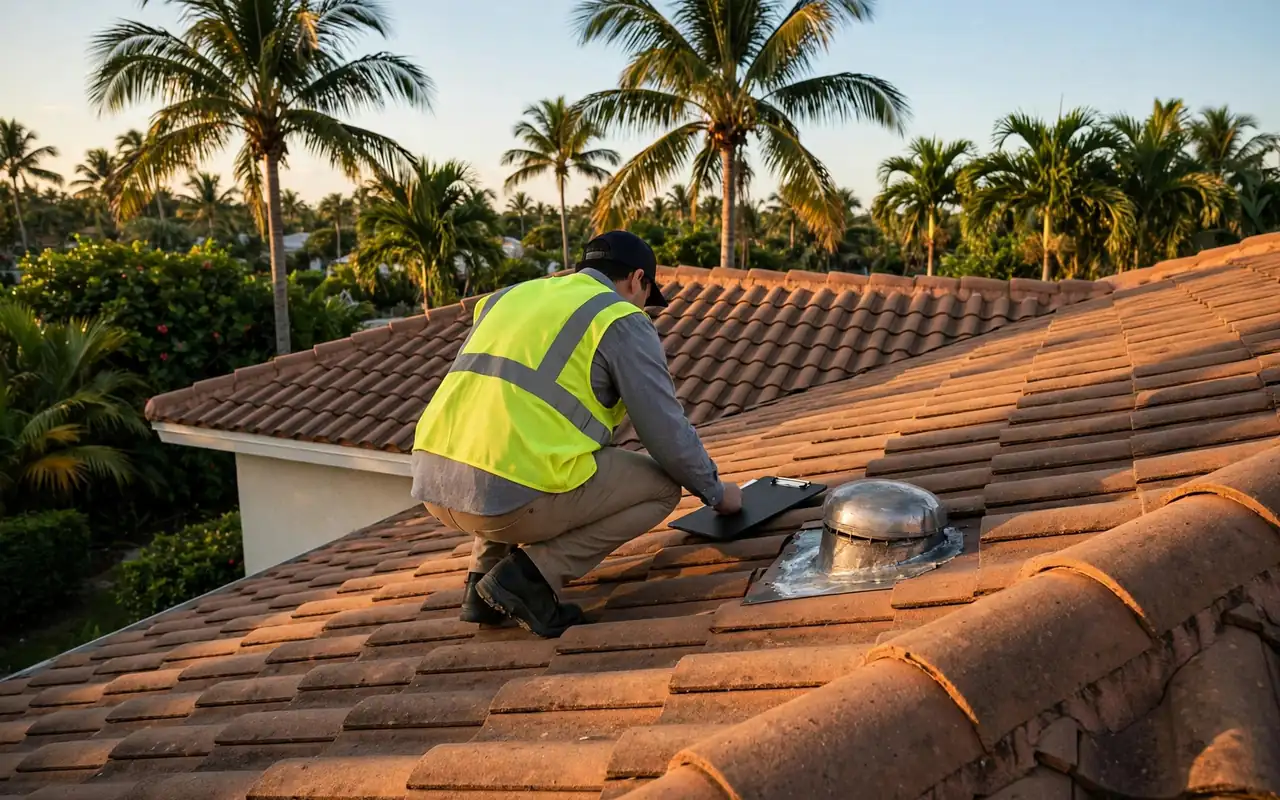
Roof age counts from the last date when the full roof surface was built or replaced, and the rule applies to policies issued or renewed on or after July 1, 2022. Our full guide walks through the letter, the inspection, and both outcomes, with the statute cited section by section. Read it here: Florida's 15-year roof rule, explained.
The practical point is simple. A letter is a deadline with a process attached, and the process starts with a phone call and a proper look at your roof.
Replacement leads, and repair gets an honest hearing
Most calls that start with an insurance letter end in one of three places. Some roofs pass an inspection and stay. Some roofs need targeted repairs that restore their condition. Some roofs are genuinely at the end, and replacement becomes the smart move. A good roofer tells you which roof you have, with photos of what the inspection found and a scope in writing before any work begins.
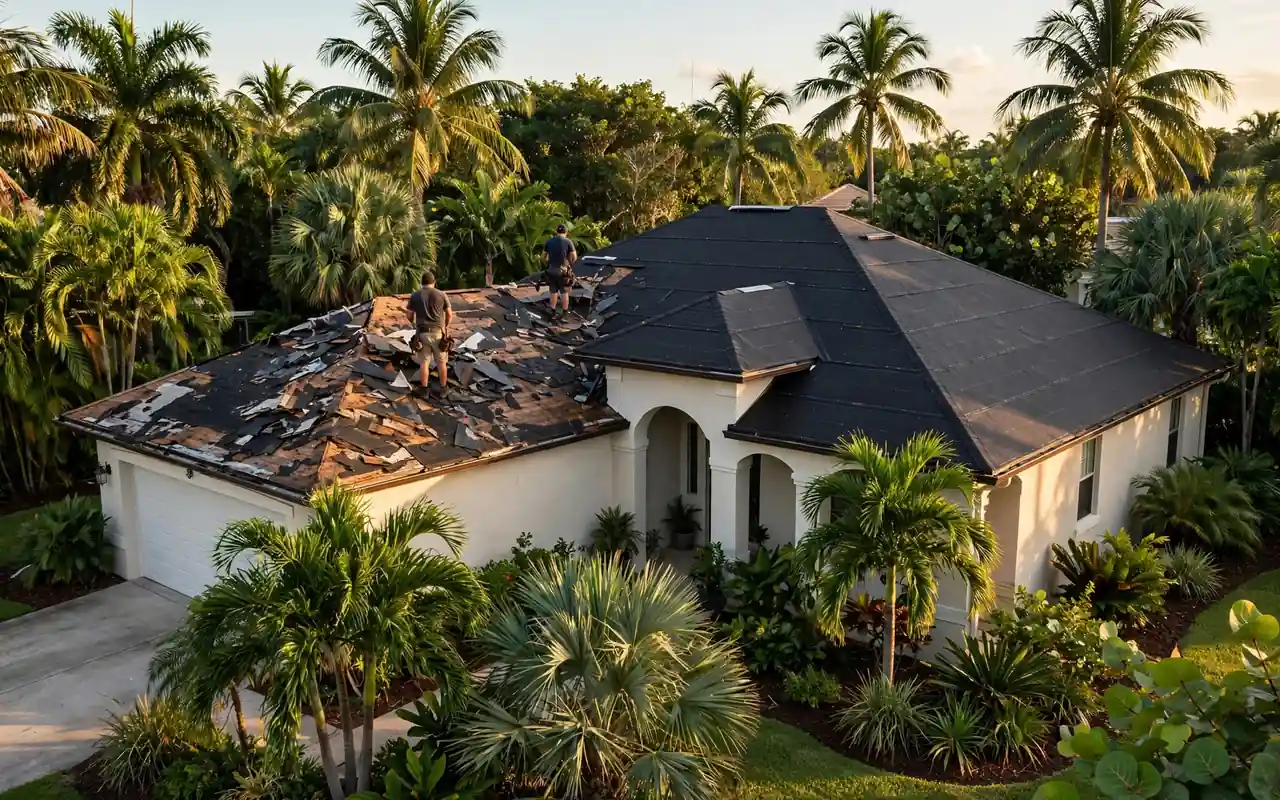
Replacement here means the full county picture: tear-off, deck check, modern underlayment, your chosen material, a permit with plan review, a dry-in inspection, and a final inspection to close it out. Repair stays on the table whenever the roof under the damage is sound. Florida's 25 percent rule matters in that conversation, since repairing more than a quarter of a roof in a set period can bring the whole roof under current code requirements.
What will it cost? The honest answer comes in words, then in writing
Every homeowner asks, and every honest roofer answers the same way. Materials climb a ladder. Asphalt shingles sit at the start. Single-ply systems follow for low-slope sections. Tile comes next, then metal, then slate at the top. Your roof's size, pitch, layers, and condition move you along that ladder, and only an inspection can place your home on it with any accuracy.
So this site publishes no figures, and the roofer you reach will not guess one over the phone either. What you can ask for on the call is the process: an inspection, photos of the findings, and the full scope in writing before you agree to anything. That written scope is the number you can trust, because it describes your actual roof.
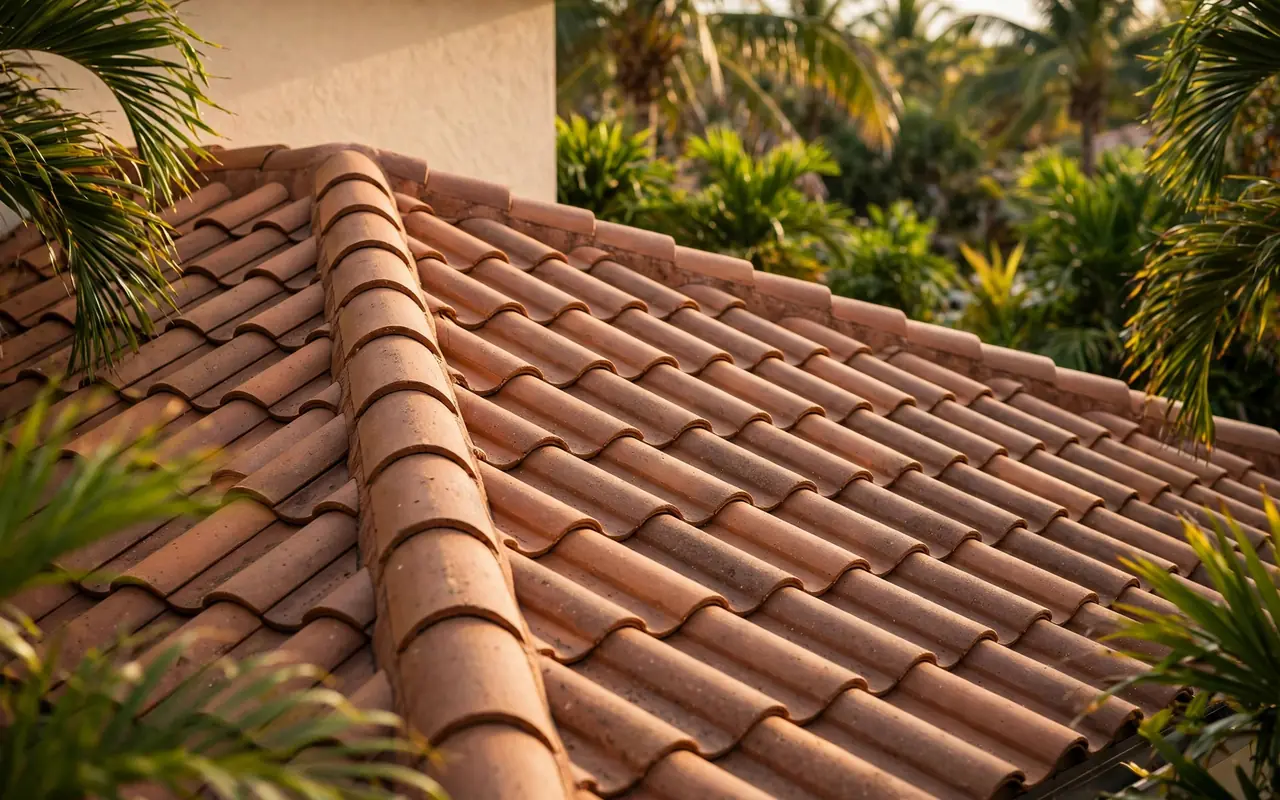
Roofing across Palm Beach County
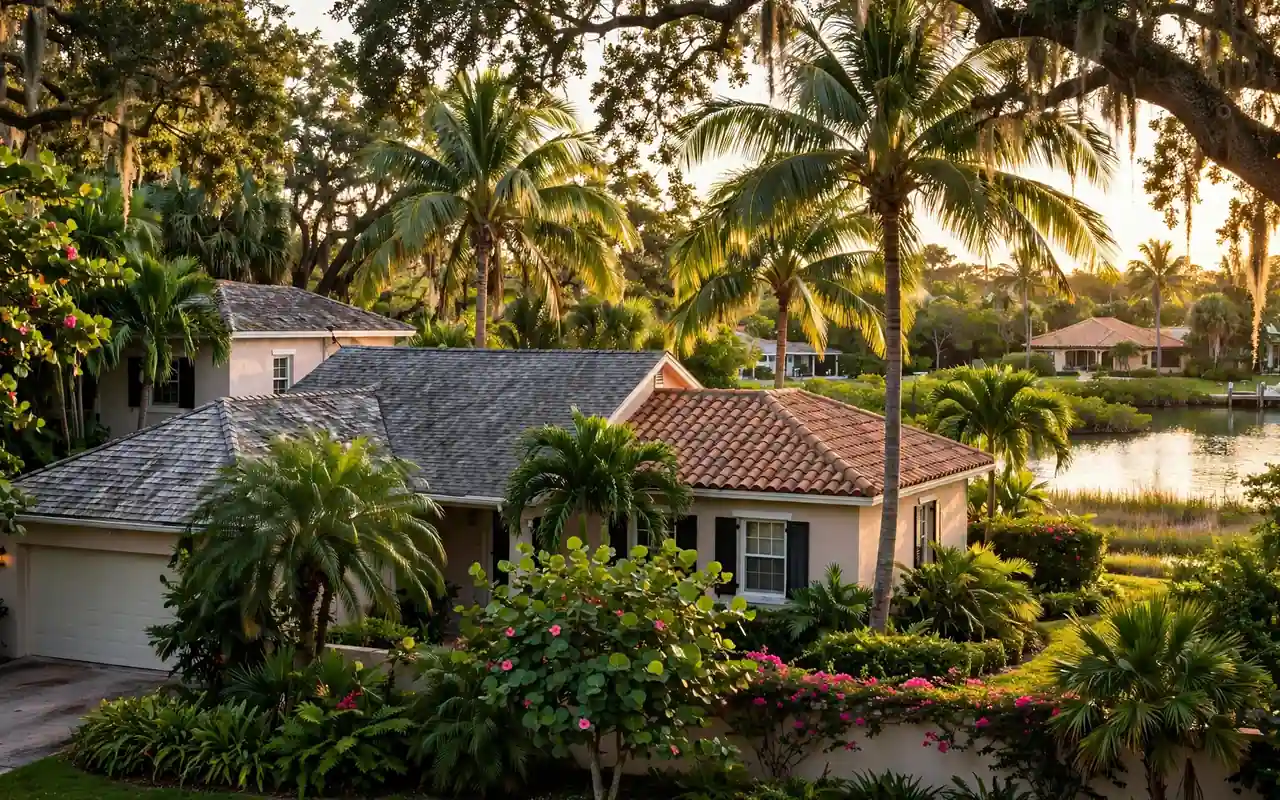
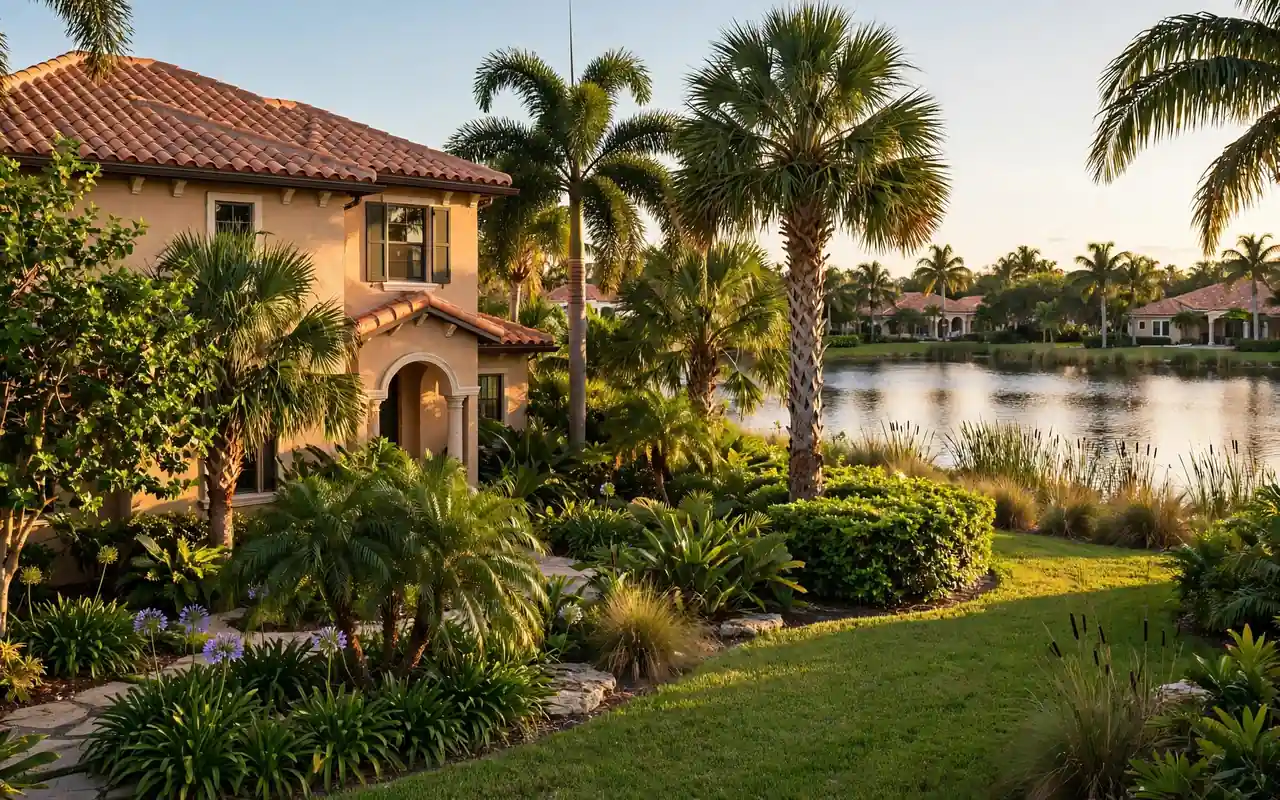
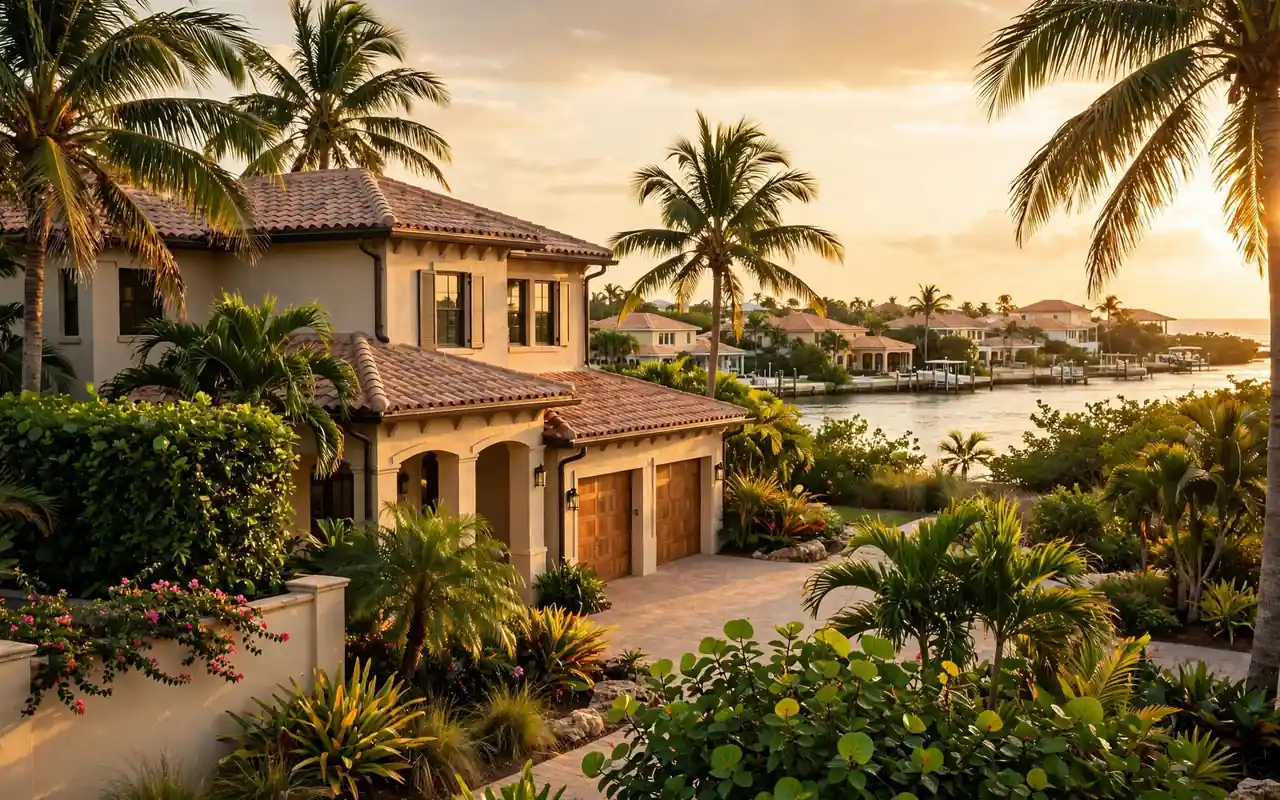
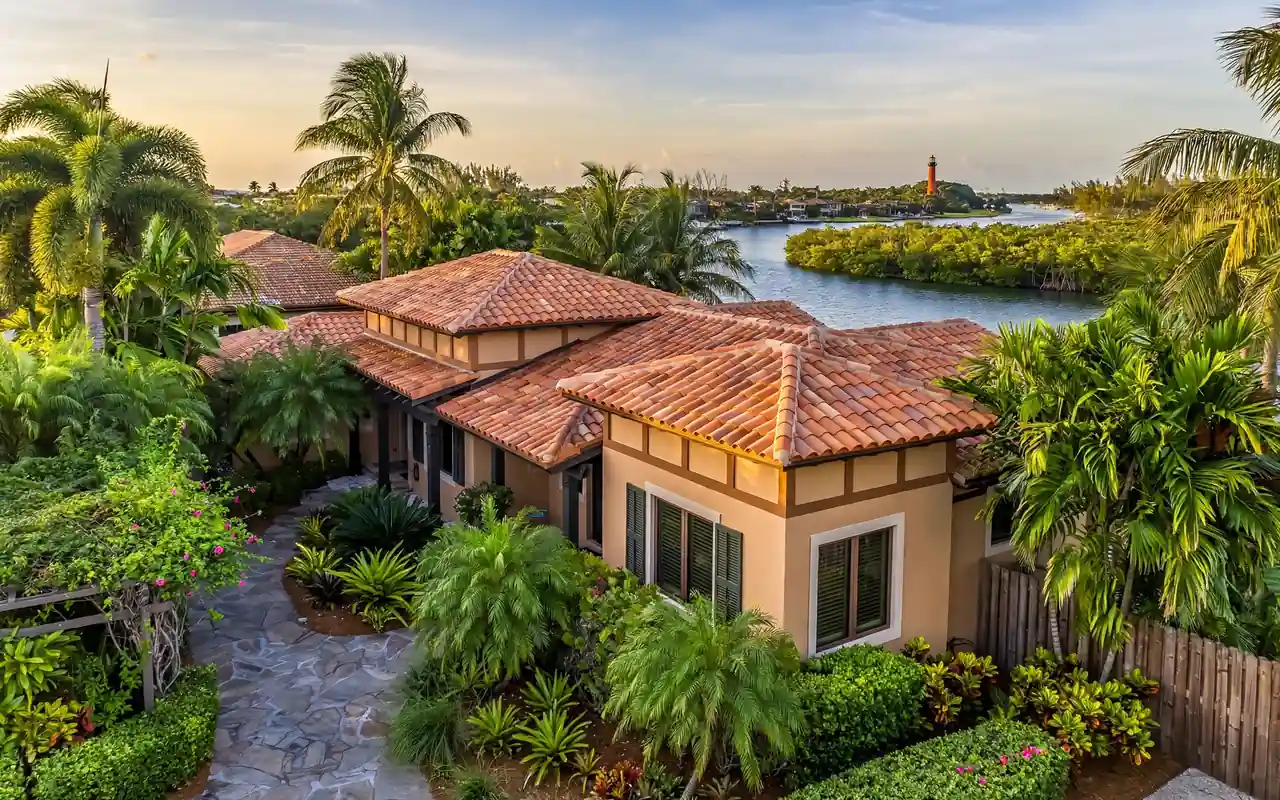
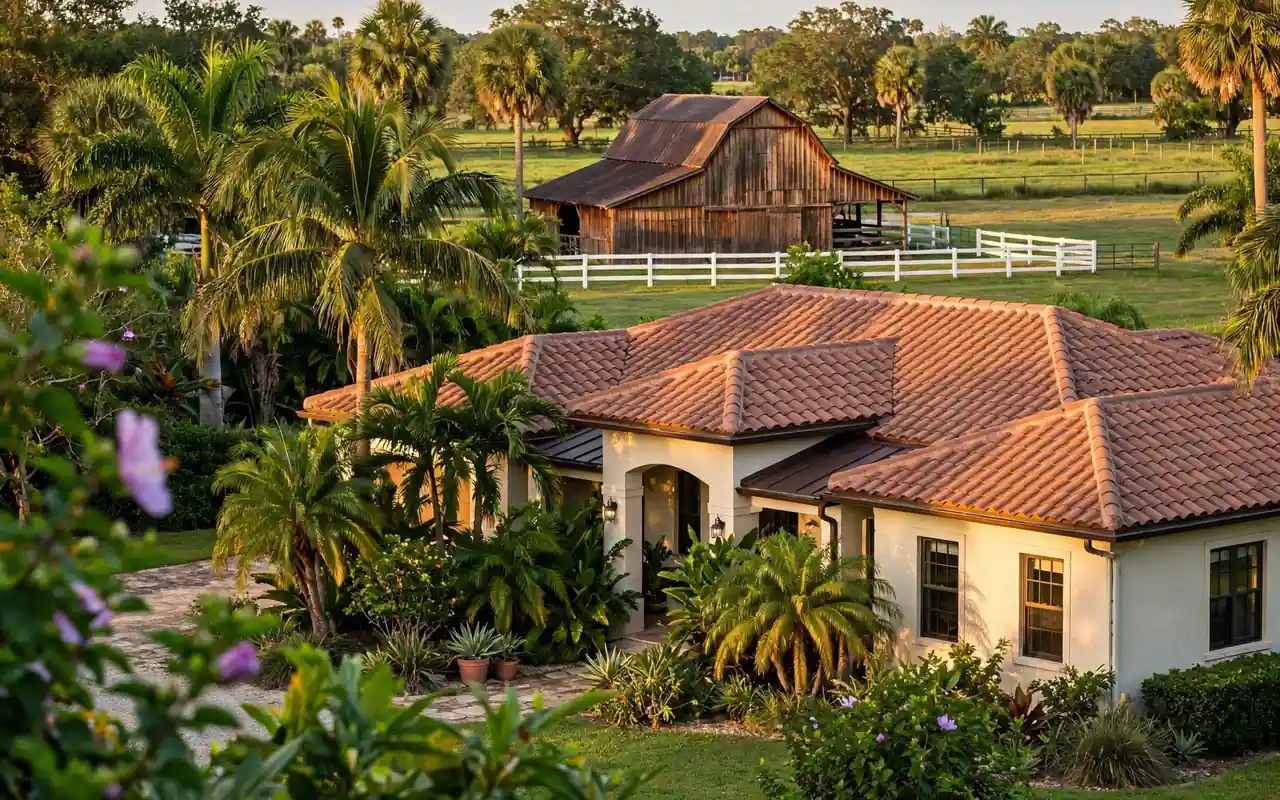
The county holds every kind of roof Florida makes. Barrel tile rules Boca Raton and Palm Beach Gardens, where association approvals shape the job. Older shingle carries West Palm Beach, Lake Worth Beach, and Boynton Beach, where housing stock from the 1960s through the 1980s meets the insurance line head on. Jupiter and Riviera Beach add salt air off the inlets. Wellington adds barns, arenas, and homes that sit quiet through summer. Each city page below is written for its own streets and its own stock.
- West Palm Beach
- Boca Raton
- Delray Beach
- Jupiter
- Wellington
- Boynton Beach
- Lake Worth Beach
- Greenacres
- Palm Beach Gardens
- Royal Palm Beach
- Riviera Beach
- Lantana
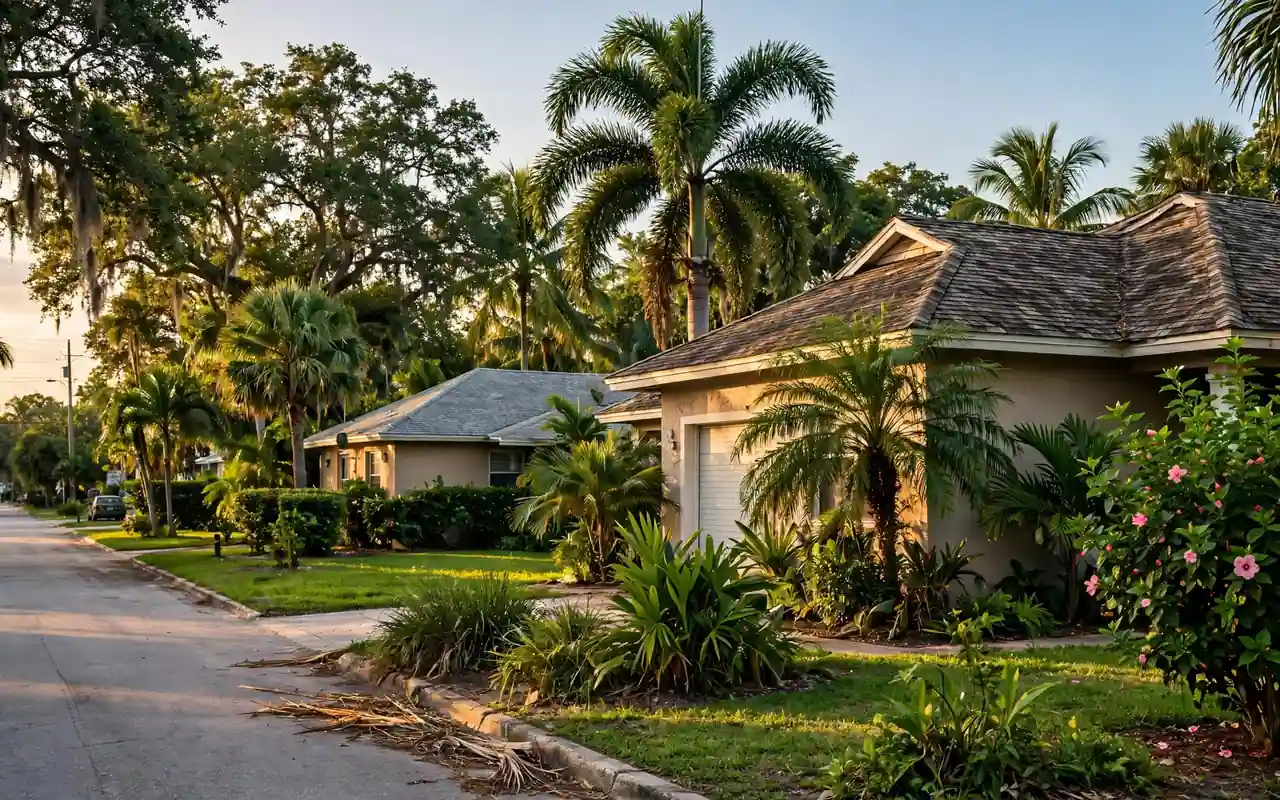
Palm Beach Roofing Help also serves homeowners in Palm Springs, North Palm Beach, Lake Park, and Belle Glade, along with the rest of Palm Beach County. Call and describe your home, wherever in the county it sits.
Services homeowners call about
- Roof repair: leaks, lifted shingles, cracked tile, flashing, and valleys.
- Roof replacement: the full process, with shingle replacement covered in depth.
- Metal roofing: standing seam, aluminum for the coast, Galvalume for inland homes.
- Tile roof: barrel and flat tile, underlayment, and lift-and-relay.
- Roof inspection: the insurance inspection, plus wind mitigation explained.
- Storm damage roof repair: securing the roof and documenting the damage.
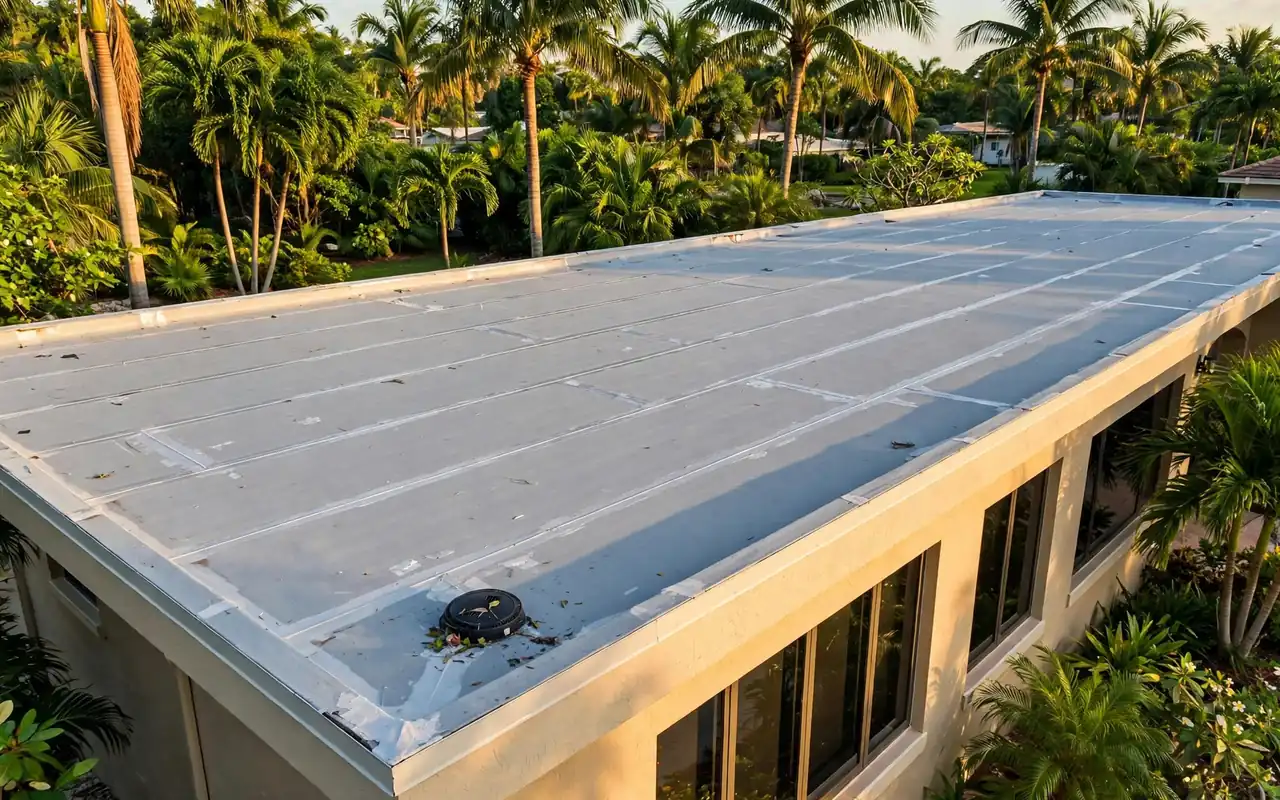
- Flat roof repair: seams, drains, ponding water, and low-slope systems.
- Emergency roof repair: active leaks and storm openings, handled as emergencies.
A word about licenses and permits
Roofing work in Florida requires a license through the Florida Department of Business and Professional Regulation. A Certified Roofing Contractor, license prefix CCC, can work anywhere in Florida. A Registered Roofing Contractor works only in the local area covered by that registration.
Re-roofing in Palm Beach County requires a building permit, plan review, a dry-in inspection, and a final inspection. Boca Raton and Riviera Beach run their own building departments, and other cities in the county handle permits their own way too. Your city page names the process that applies to your address.
Frequently asked questions
What does the insurance letter about my roof actually mean?
It usually means your insurer believes your roof has reached an age where the company wants evidence about its condition. Under Florida Statute 627.7011, a roof fifteen years or older triggers your right to an inspection by an authorized inspector before the insurer can require replacement as a condition of coverage. When the inspection finds five years or more of useful life remaining, the insurer may not refuse to issue or renew your policy solely because of roof age. Bring the letter and its deadline date to your call.
What happens when my roof hits 15 years?
Crossing fifteen years changes the conversation with your insurer, and it changes nothing about the roof itself overnight. Below fifteen years, an insurer may not refuse you solely on roof age. At fifteen years and beyond, the inspection path opens: an authorized inspector examines the roof at your expense and reports its remaining useful life. Five years or more keeps age alone from deciding your policy. Under five years points toward repair planning or replacement planning, with the inspection photos as your starting evidence.
How much does a new roof cost in Palm Beach County?
The honest answer travels in words first. Materials climb from asphalt shingles, to single-ply for low-slope sections, to tile, to metal, to slate. Size, pitch, tear-off layers, deck condition, and permits all move the total. Any figure quoted without an inspection is a guess dressed as an answer. On the call, ask for an inspection and a written scope. The written scope, built from your roof's real measurements and condition, is the figure worth planning around.
How long will my roof last in Florida?
Florida sun and storms shorten every material's life compared with milder climates. Shingle roofs here commonly serve fifteen to twenty years. Tile surfaces can serve fifty years and beyond, while the underlayment beneath tile usually lasts twenty to twenty-five years, which is why tile roofs often need underlayment work long before the tile itself wears out. Metal roofs serve for several decades when fasteners and seams are maintained. Your roof's exposure, ventilation, and storm history all bend these ranges.
Does homeowners insurance cover roof replacement in Florida?
Insurance generally responds to sudden damage from a covered event, such as a storm tearing off shingles or a fallen limb opening the roof. Wear, age, and slow deterioration sit in a different category, and age is where Florida's 15-year rule applies. After a storm, photograph the damage promptly and keep the photos with your policy papers. On the call, describe the event and its date, and a roofer can tell you what documentation of the roof's condition usually helps the conversation with your insurer.
Can you repair my roof instead of replacing it?
Often, yes. When the damaged area is contained and the rest of the roof is sound, repair is the honest recommendation. Two limits shape the answer. The roof's overall condition decides whether a repair buys real years, and Florida's 25 percent rule can require a full re-roof when repairs grow past a quarter of the roof within a set period. An inspection sorts out which side of those lines your roof sits on.
Do roofers pull permits for this work?
Re-roofing in Palm Beach County requires a permit, plan review, a dry-in inspection, and a final inspection. Roofers who do this work regularly handle the permit process as part of the job. Boca Raton and Riviera Beach run their own building departments, so the filing office depends on your address. Ask on the call how permits and inspections will be handled for your home, and keep the closed permit paperwork with your insurance records.
What is a wind mitigation inspection, and what is form OIR-B1-1802?
A wind mitigation inspection documents features that help a home stand up to storm winds, such as roof-to-wall connections, deck attachment, and the roof covering itself. The findings go on Florida's standard form, OIR-B1-1802, and insurers use that form when calculating wind credits on a policy. It is a separate report from the roof-age inspection under the 15-year rule, and many homeowners end up wanting both. A roofer or inspector on your call can explain which one your situation calls for first.
How quickly can a roofer get to my roof?
There is no promised time here, because timing depends on call volume, the problem you describe, and where crews are working that day. An active leak or a roof opened by a storm moves to the front of the conversation. Calling now is the direct way to get a real answer for your roof, because the roofer on the call can tell you what the day actually looks like.
How long does a roof replacement take?
The work itself on a typical single-family home often runs about a week, with tear-off and dry-in taking the first day or two and inspections setting the pace after that. Permits, association approvals where they apply, material delivery, and weather all stretch or compress the calendar. Ask on the call for the sequence for your home, step by step, so the schedule surprises stay small.
Your roof has a deadline. The first step is a conversation.
Letters carry dates, and storm season arrives on schedule whether a roof is ready or it is not. The call takes a few minutes. Describe the letter, the leak, or the worry, and hear what a local roofer would do with your roof, in what order, with the scope in writing before work begins.
Questions about a roof, a letter, or a deadline start with a call.
Call Now{{TRACKING_NUMBER}}